


Extreme weather is now a routine threat that disrupts employees, operations, and entire supply chains, forcing employers to act as first responders despite most lacking even basic preparedness to protect their workforce.


By Steven Levine, Co-CEO, Health Action Alliance and Meteorite
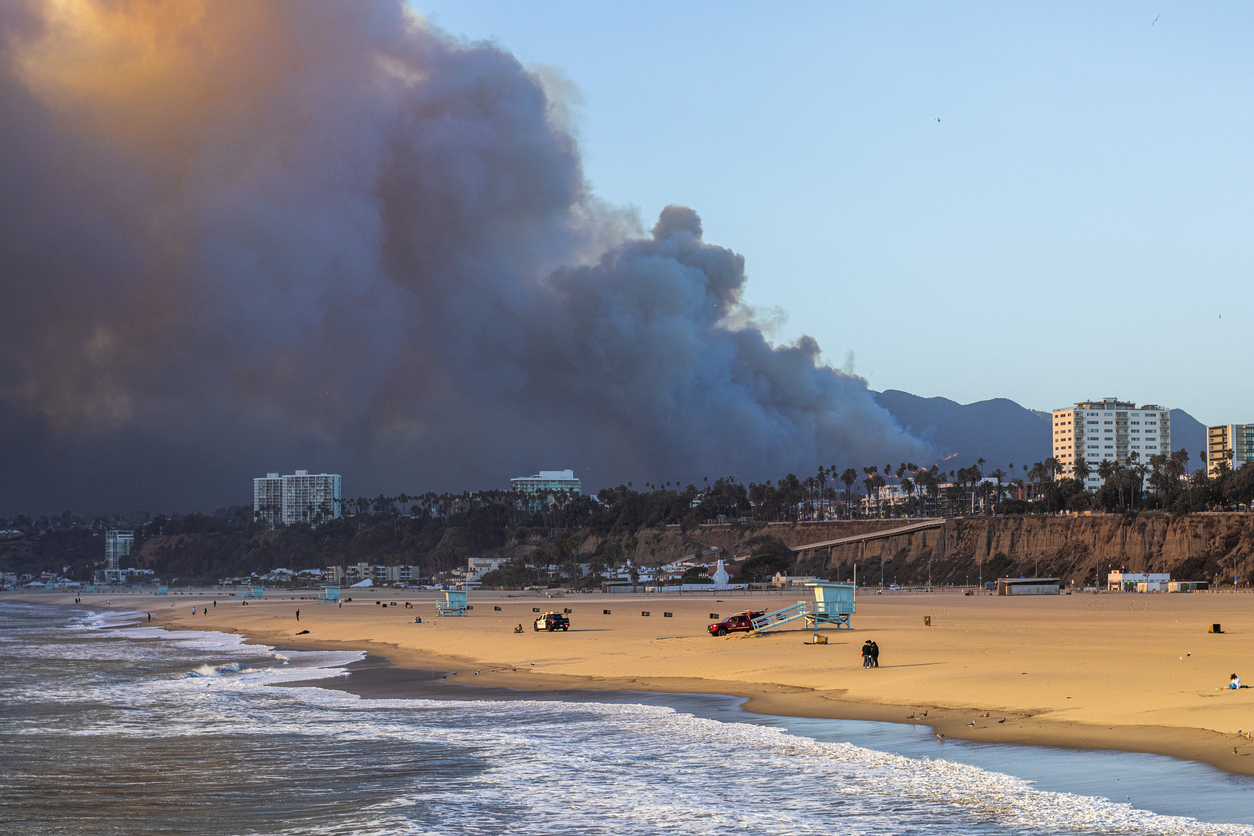
One year ago, wildfires came within three blocks of my Los Angeles home in Hollywood. My neighborhood was evacuated. The fire that broke out and threatened my block was contained within the same day; I was incredibly lucky. But across the city, the destruction was just beginning.
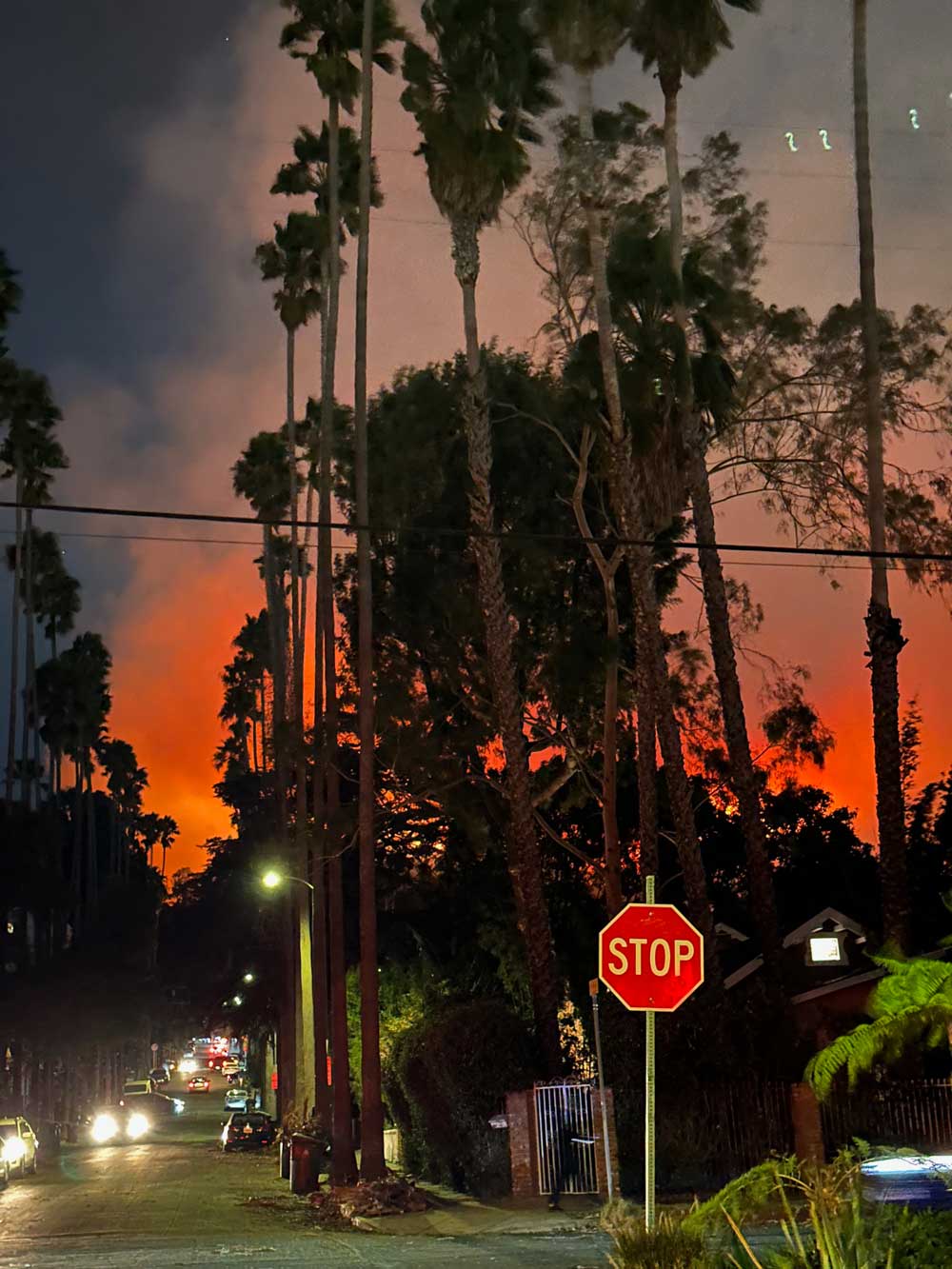
It was a wake-up call to me personally, and also as a business leader. Two of my employees at Meteorite were directly impacted. One had to evacuate her home with her family. Another, on the west side, struggled with respiratory issues made worse by the toxic air quality that blanketed the region for weeks.
Several friends and former colleagues lost their homes. Some lost everything they owned. For weeks, my social media feed was a constant stream of GoFundMe pages, and no matter how fast we contributed, there were always more. Each of those fundraisers represented a family. And each of those families included employees who couldn't possibly be as productive at work while figuring out where to sleep, how to fill medications, or whether their kids' school still existed.
This isn't just a California problem.
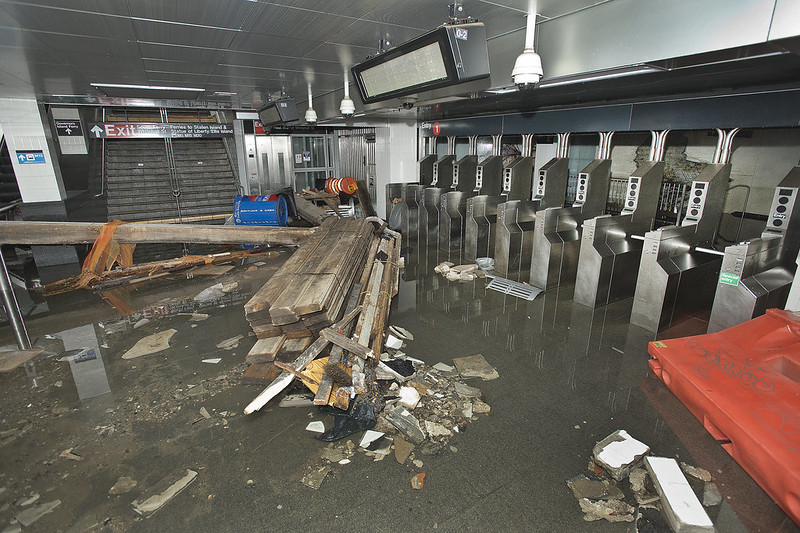
We also have colleagues based in New York City, and last summer, flash floods transformed NYC subway stations into waterfalls. Commuters on the local 1 train at 28th Street stood on seats to avoid water violently pouring through the doors. At Grand Central, rain cascaded onto platforms, halting Metro-North service. In Brooklyn, riders climbed fences to escape flooded station entrances. Our employees were among the millions — lawyers, bankers, consultants, frontline workers — who found themselves stranded or simply unable to get to work. The subway system has now flooded at least 75 times since 2020.
We're a small organization. But these events make clear that workforce disruption due to extreme weather is a reality for companies of all sizes and industries.
And when employees are in crisis, employers become first responders by default.
In the immediate aftermath of the LA fires, Netflix, Warner Bros. Discovery, and Disney all provided temporary housing for displaced employees. Hundreds of companies scrambled to set up relief funds. HR teams fielded calls about evacuation support, emergency leave, and financial assistance — all while managing their own operational chaos.
These are no longer isolated incidents. When Hurricane Helene flooded Baxter International's North Carolina plant in September 2024, not only were employees personally impacted — some losing their homes, one losing her life — but the disruption knocked out 60% of the country's IV fluid supply, forcing hospitals nationwide to delay surgeries. When Hurricane Milton tore through Florida two weeks later, major ports including Tampa Bay were forced to close, distribution centers went dark, and trucking routes were blocked for weeks, disrupting supply chains for everything from fuel to food to construction materials.
Extreme weather doesn't just threaten individual employees. It can take down entire supply chains.
Here's what concerns me most: Nearly 70% of employees expect emergency support from their employers during disasters, according to our partners at Mercer. Yet the vast majority of companies have no formal disaster preparedness policies in place.
The U.S. experienced 27 billion-dollar weather disasters in 2024 — the second-highest number on record behind 28 disasters in 2023. Compare that to the 1980s average of just 3.3 per year, adjusted for inflation. This isn't a spike. It's the new normal.
And, while 77% of U.S. workers have already been impacted by extreme weather events, only 4% of employers have conducted even a basic workforce vulnerability assessment.
Four percent.
Building organizational resilience takes time. It requires coordination across HR, benefits, risk management, operations, and finance. Few companies have a playbook for quickly coordinating that kind of cross-functional response.
But you can start with one thing: Understand where your people are vulnerable.
Which workers face the greatest weather-related risks based on geography, job function, and exposure? A warehouse worker in Phoenix faces different risks than a remote employee in Seattle or a commuter navigating a flooded subway in New York. You can't protect your workforce if you don't know what and where the risks are.
.png)
Mercer, in collaboration with the National Commission on Climate and Workforce Health, has developed a vulnerability assessment framework and a Climate Health Cost Forecaster to help employers translate these risks into action. These tools exist. The question is whether leaders will use them before the next disaster.
As business leaders, we can't control when the next wildfire, hurricane, or heat wave hits. But we can absolutely control whether we're ready.

Steven Levine is a social impact entrepreneur and corporate communications expert who co-founded Meteorite, the firm behind the Health Action Alliance. Levine previously served as White House Associate Director of Communications under President George W. Bush and led Univision’s transformation into a leading advocacy brand for the U.S. Hispanic community. He received his MBA from NYU Stern.
Sign up for our newsletter to keep updated on HAA’s latest initiatives, insights and recommendations, and be first to receive new resources and event invitations.
Sign up


.svg)


