


The air we breathe quietly shapes long-term lung and heart health, often with irreversible consequences.
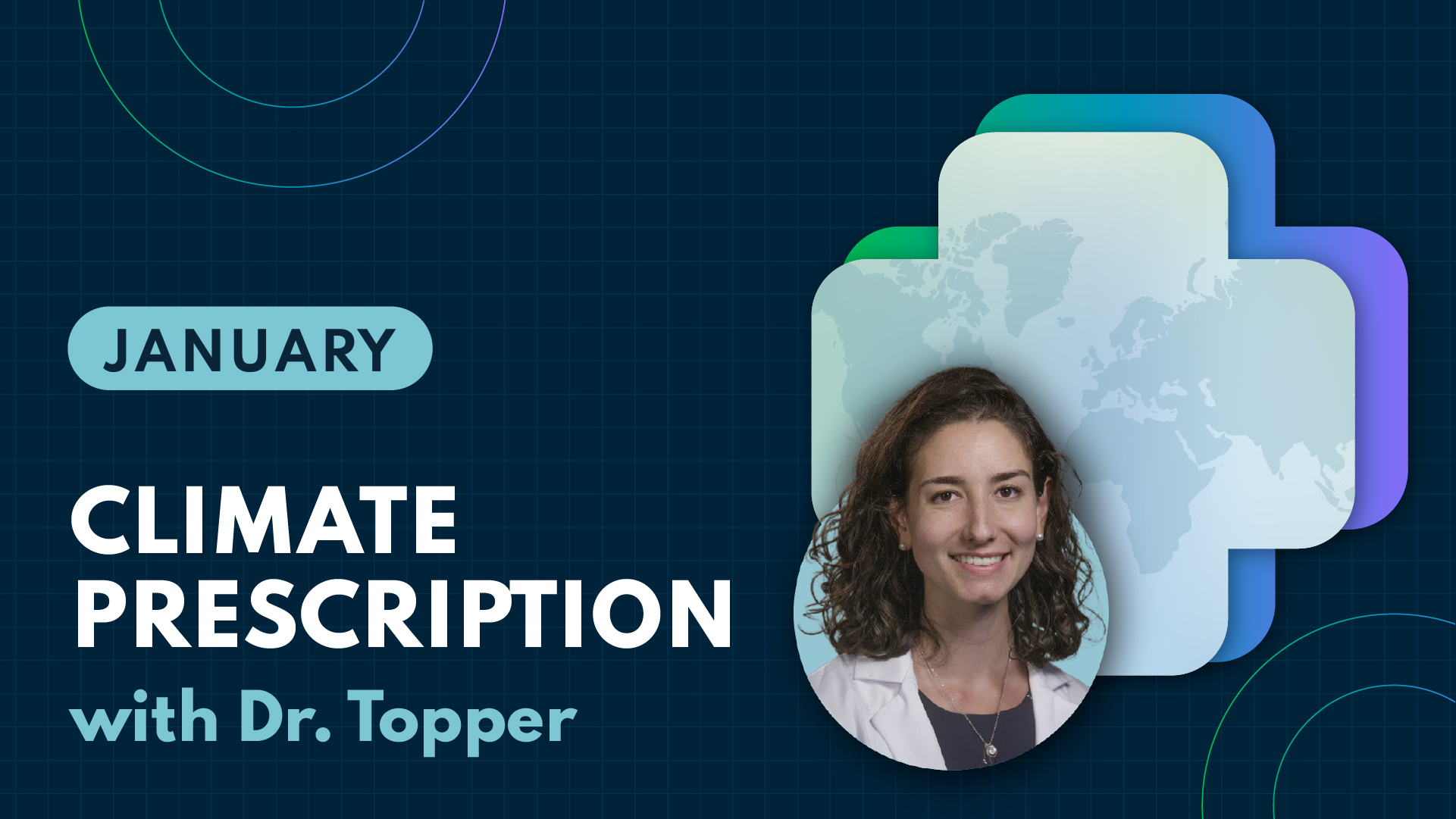


This article is part of the National Commission on Climate and Workforce Health’s series “Climate Prescription.”
Written by Dr. Leah B. Topper, a family medicine physician and Climate & Health Science Policy Fellow at the University of Colorado School of Medicine, the series translates the latest research on climate-driven health risks into practical insights for employers, HR leaders, and workplace health professionals.

Patients describe shortness of breath in different ways: “I can’t catch my breath”; “I get winded doing things I used to do easily”; “My chest feels tight.” Clinically, these remarks can be a sign of many serious conditions: asthma, chronic obstructive pulmonary disease (COPD), pneumonia, blood clots in the lungs, heart failure, or even a heart attack.
But there is a contributor that is often overlooked, especially in an exam room far removed from a patient's daily life, the air people breathe, both at work and at home.
For individuals with underlying lung disease, like asthma or COPD, symptom control can be extremely difficult when the air itself is working against them. Even the best medication regimens can fall short if someone is regularly exposed to cigarette smoke, industrial emissions, heavy traffic pollution, wildfire smoke, or poorly ventilated indoor environments. On days with poor air quality, we see the consequences clearly: spikes in respiratory symptoms, emergency department visits, missed work, and decreased work productivity.
In my own clinic, I care for a patient with interstitial lung disease caused by years of working in coal mines. His lungs were permanently damaged by years of occupational exposure. For him, even a simple cold can be debilitating. His body has far less reserve to protect against infections or environmental stressors. When he gets sick, recovery is slower than for someone with healthy lungs. When the air quality worsens, he notices it first. He has been retired for many years, but still deals with the consequences of what he inhaled at work years ago.
I have also seen the impact of occupational exposures on entire populations. During medical school, I spent a few days shadowing doctors at Mount Sinai’s World Trade Center Health Program. Established in 2002, the program provides free medical treatment, mental health services, and benefits assistance for 9/11 responders and volunteers. Research from Mount Sinai and others has shown that these individuals continue to experience elevated rates of asthma, COPD, other forms of lung injury, mental health conditions, and various types of cancers, more than two decades after exposure.
Epidemiological studies reinforce the pattern. People living in more polluted areas are increasingly likely to be affected by heart diseases, including heart attacks, heart failure, and stroke. The lesson is consistent and clear: air exposures, whether at work or home, can permanently alter health trajectories, underscoring the importance of prevention and long-term monitoring.
As physicians, giving medical advice can be challenging when the source of pollution or exposure is not fully controllable. An employee may live near a highway or factory; wildfire smoke may blanket entire regions; and certain jobs inherently involve dust, fumes, or particulates. In addition, air pollution is not only an outdoor issue, as poor ventilation, gas stoves, and indoor combustion sources can significantly degrade indoor air quality.
Still, there are practical steps that can meaningfully reduce risk. For workers, checking the Air Quality Index and wearing properly fitted respirators, like N95s. For employers, using HEPA-filter air purifiers and allowing flexible or paid time off for high-risk conditions during high-risk days can make a meaningful difference. Leadership can also offer workplace smoking cessation programs, encourage regular health check-ups for access to lung screening tests, and require up-to-date vaccinations, which can significantly improve employee wellness and prevent pollution-related health complications.
I have heard from my patients that having difficulty breathing is a very scary feeling. It is for them, and all of us who require air to breathe every day, that we must find ways to decrease air pollution, protect our workers from hazardous exposure, and take prevention seriously to prevent grave health consequences.


Want to help your company adapt to today’s climate conditions and invest in human and business resilience? Sign up for our monthly newsletter to stay up to date on the latest events, resources, and recommendations from the National Commission on Climate and Workforce Health.

The National Commission on Climate and Workforce Health is a group of business, health, and climate leaders who share a mission to protect workers from the health risks posed by extreme weather.
The Commission was created by the Health Action Alliance in partnership with Mercer and with strategic input from the CDC Foundation. Additional support for the initiative is being provided by Elevance Health and The Hartford. Learn more at ClimateHealthCommission.org.

Sign up for our newsletter to keep updated on HAA’s latest initiatives, insights and recommendations, and be first to receive new resources and event invitations.
Sign up


.svg)


