By clicking “Accept”, you agree to the storing of cookies on your device to enhance site navigation, analyze site usage, and assist in our marketing efforts. View our Privacy Policy for more information.
Clear plans and pre-positioned resources save lives. Here's how to build plans your team can execute under pressure.
Weather emergencies don't wait for you to get organized. When a heat wave, wildfire, flood, or severe storm threatens your workforce, every minute spent figuring out what to do is a minute your workers are at risk.
As an occupational health and safety leader, you are responsible for making sure the plan is already in place. This guide offers a range of strategies to ensure your workforce is ready before the next extreme weather event hits. Start where you are and build from there.
Develop event-specific emergency protocols with clear triggers. While generic emergency plans are foundational resources, developing specific protocols for individual climate hazards with defined activation triggers ensures maximum preparedness. At what temperature do you implement heat emergency procedures? At what AQI do you stop outdoor work? What's your activation checklist when a hurricane watch is issued? When do your evacuation and shelter-in-place protocols activate?
Pre-position emergency medical supplies for extreme weather hazards. For heat: ice, cold water immersion capability (even a stock tank filled with ice water), drinking water and electrolyte beverages, fans, shade. For cold: warm dry areas, blankets, warm beverages. For all events: automated external defibrillators (AEDs) and CPR-trained personnel. Verify and restock supplies before and throughout each season.
Establish communication systems that work during disruptions. Confirm you have up-to-date contact information and multiple communication channels to reach all workers, including those in the field and remote workers. Test these systems before you need them. Post-disaster communication protocols should account for power outages and cell network disruption.
Include provisions for employees with disabilities. Your emergency plans should address the needs of employees who may require assistance during evacuations, shelter-in-place, or medical emergencies. Identify who may need support, ensure accessible evacuation routes, and designate trained personnel to assist.
Understand what's missing from your plan. Bring together peers across functions such as HR and risk to understand what’s missing in your approach to company-wide preparedness against extreme weather. Use tools like the Climate and Worker Health Scorecard and OSHA's Emergency Action Plan resources to get started.
Build On It
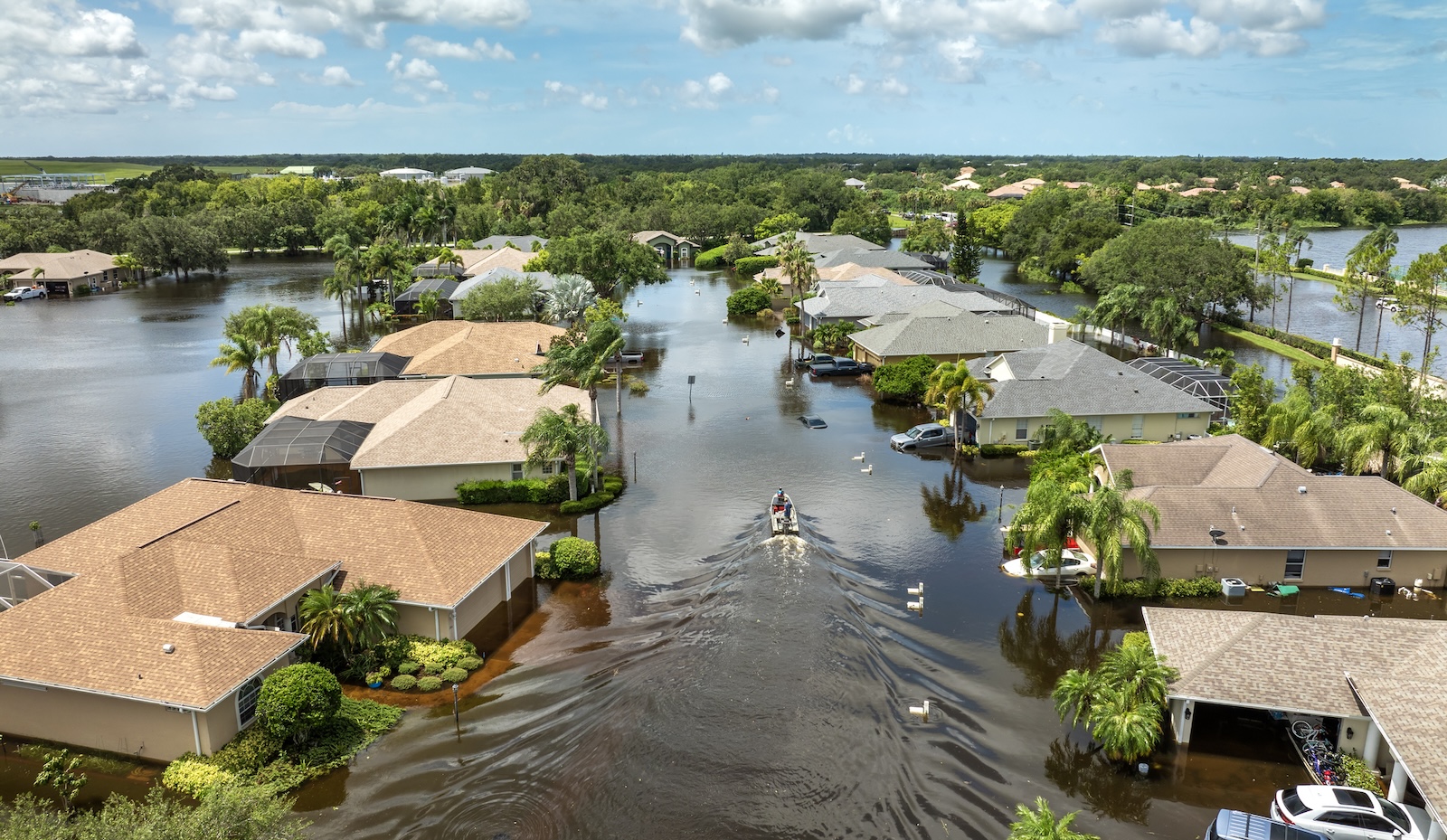
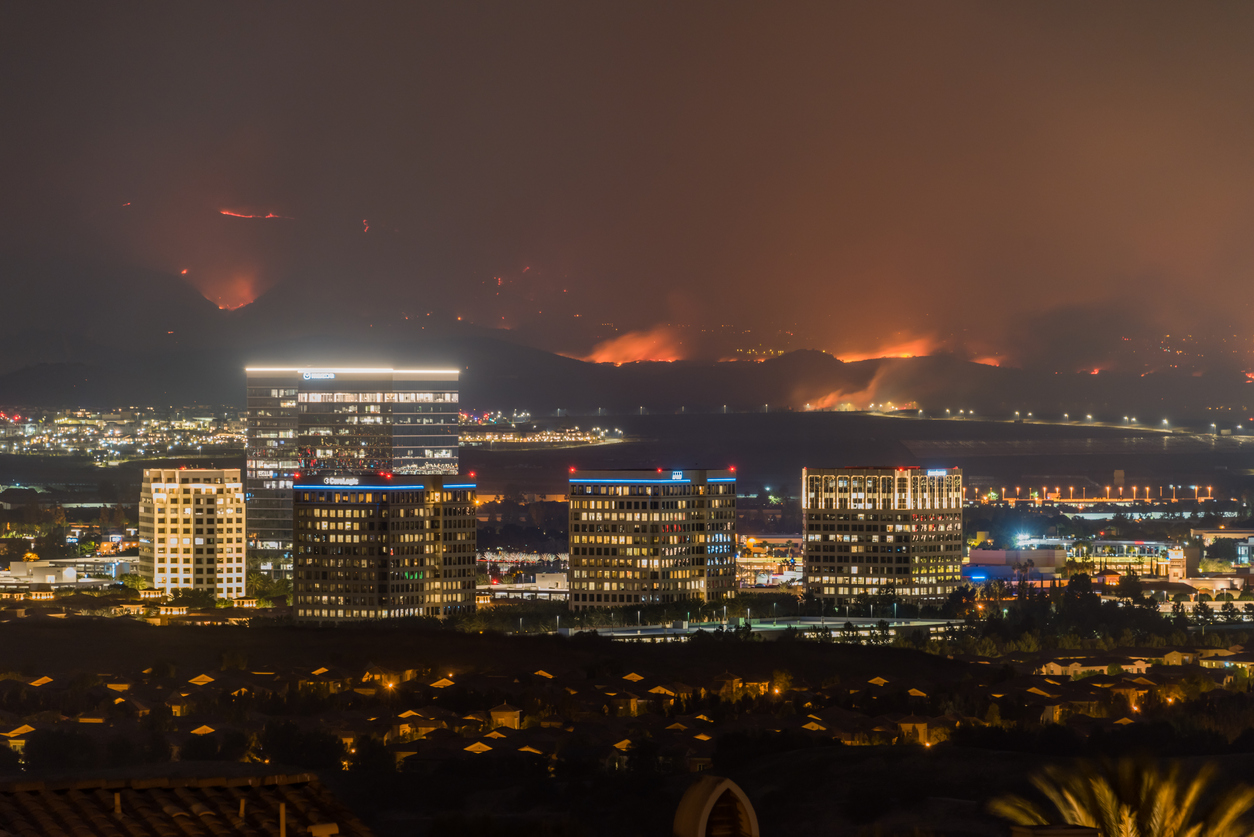
Plan for cascading events. Heat waves can trigger power grid failures that disable cooling. Hurricanes create floods that contaminate homes and workplaces. Wildfire smoke can persist for weeks across hundreds of miles and exacerbate asthma. Your emergency plans should address multi-day and multi-hazard scenarios, not just single-event responses.
Plan for mental health impacts. Extreme weather events cause well-documented short- and long-term psychological consequences, including anxiety, depression, PTSD, grief, and increased risk of suicide (Mass General Brigham, 2025).
Solution Spotlight: Substance Abuse and Mental Health Services Administration's Disaster Distress Helpline (1-800-985-5990, 24/7, 100+ languages) should be included in every emergency plan. SAMHSA also offers free psychological first aid training.
Include lightning and severe storm protocols. OSHA recommends the 30-30 Rule: If thunder follows lightning in less than 30 seconds, cease all outdoor work immediately; wait 30 minutes after the last thunder before resuming. Specific OSHA standards prohibit scaffold work and crane operations during storms (OSHA, 2021).
Stock supplies for extended emergencies. Prepare for situations where workers may be stuck on-site, sheltering in place, or dealing with multi-day events by stocking supplies such as flashlights, batteries, nonperishable food, phone chargers, and backup power sources.
The crisis doesn’t end when the storm is over. Employees may be managing property damage, displacement, loss of utilities, caregiving disruptions, or grief when returning to work. Work with your HR team to offer flexible scheduling, remote work options, and emergency paid leave to help employees manage insurance claims, temporary housing, and repairs.
Lead the Field
Encourage employees to prepare at home. Workers who are prepared for extreme weather at home are better able to focus and recover after an event. Encourage employees to create emergency "go bags" with essentials like water, medications, important documents, and phone chargers. Partner with your benefits team to explore stipends or bulk purchasing to help employees build their kits.
Build extreme weather readiness into seasonal planning. Rather than reacting to each event, develop seasonal preparedness calendars: pre-hurricane season facility assessments, pre-summer heat program activation, pre-wildfire-season respiratory protection inventory checks. Embed weather event preparedness into your routine safety management cycle.
Conduct after-action reviews that improve systems. After every extreme weather event that activates your emergency protocols, conduct a structured review of what worked, what didn't, and what needs to change. Feed lessons learned back into your plans, training, and resource allocation.
Run scenario-based exercises. Tabletop exercises simulating extreme heat events — such as a heat wave during wildfire smoke season, or hurricane aftermath with power outages and flooding — can help you identify gaps in your plan, build decision-making muscle, and ensure that all stakeholders are prepared to act. Include cross-functional participants from HR, facilities, and risk management.
Workforce readiness requires coordination across teams. Explore guides designed for more functions at your organization, and learn more about the Extreme Weather + Work initiative.
Human Resources (HR) Readiness strategies for HR focus areas including benefits design, leave policies, people analytics, and more.
Extreme Weather + Work Home Learn how your organization can support workers before, during, and after extreme weather.
About Extreme Weather + Work
Extreme Weather + Work is an initiative of the Health Action Alliance. We bring together leaders who rarely sit in the same room and connect them with peers across industries, giving them the research and tools they need to support their people before, during, and after extreme weather.
Sign up for our newsletter to keep updated on HAA’s latest initiatives, insights and recommendations, and be first to receive new resources and event invitations.






.png)


.svg)


