


Rhode Island Senator Lori Urso turned her personal health crisis into the nation's first workplace protections for menopause.


By Lori Hoffman, Vice President of Product and Content Strategy at Meteorite
Lori Urso had reached her breaking point. After three years without sleep, battling heart palpitations, panic attacks, and debilitating brain fog, the museum CEO felt she could no longer do her job effectively. In early March 2020, she gave 30 days' notice to the board of Slater Industrial Archives, the nonprofit organization and museum she'd led for years.
"I got to a point where I felt like I couldn't do it anymore," Urso recalled. "I wasn't effective. I was dealing with anxiety, low self-esteem, panic attacks on occasion, a lot of heart palpitations. I just felt I wasn't effective in my job anymore."
The board was mostly men, and Urso didn't feel comfortable explaining what was happening to her. In hindsight, she said, she should have. But when you’re caught in the wave of symptoms accompanying the menopause transition, it's hard to think clearly about anything.
Then the pandemic hit. By mid-March, Rhode Island shut down, and the museum closed its doors. She went back to the board and asked to put her resignation on hold — there were loose ends only she could handle. During that period, she finally got the treatment she needed and began to feel more like herself.
That experience — nearly losing a 30-year career to a natural biological process — set Urso on a path that would make Rhode Island the first state in the nation to protect workers experiencing menopause.

As Urso searched for resources before receiving treatment, she found herself on U.K. websites, where menopause in the workplace was already a topic of conversation. She discovered that there were countries already working to protect their aging workforces — a demographic reality particularly acute in Rhode Island, where there are more residents over 65 than under 20.
"I think people and employers are starting to realize that we need to support our aging women workers, who bring a lot of expertise and longevity and experience," Urso said. "It's a lot easier to retain them than it is to recruit replacements."
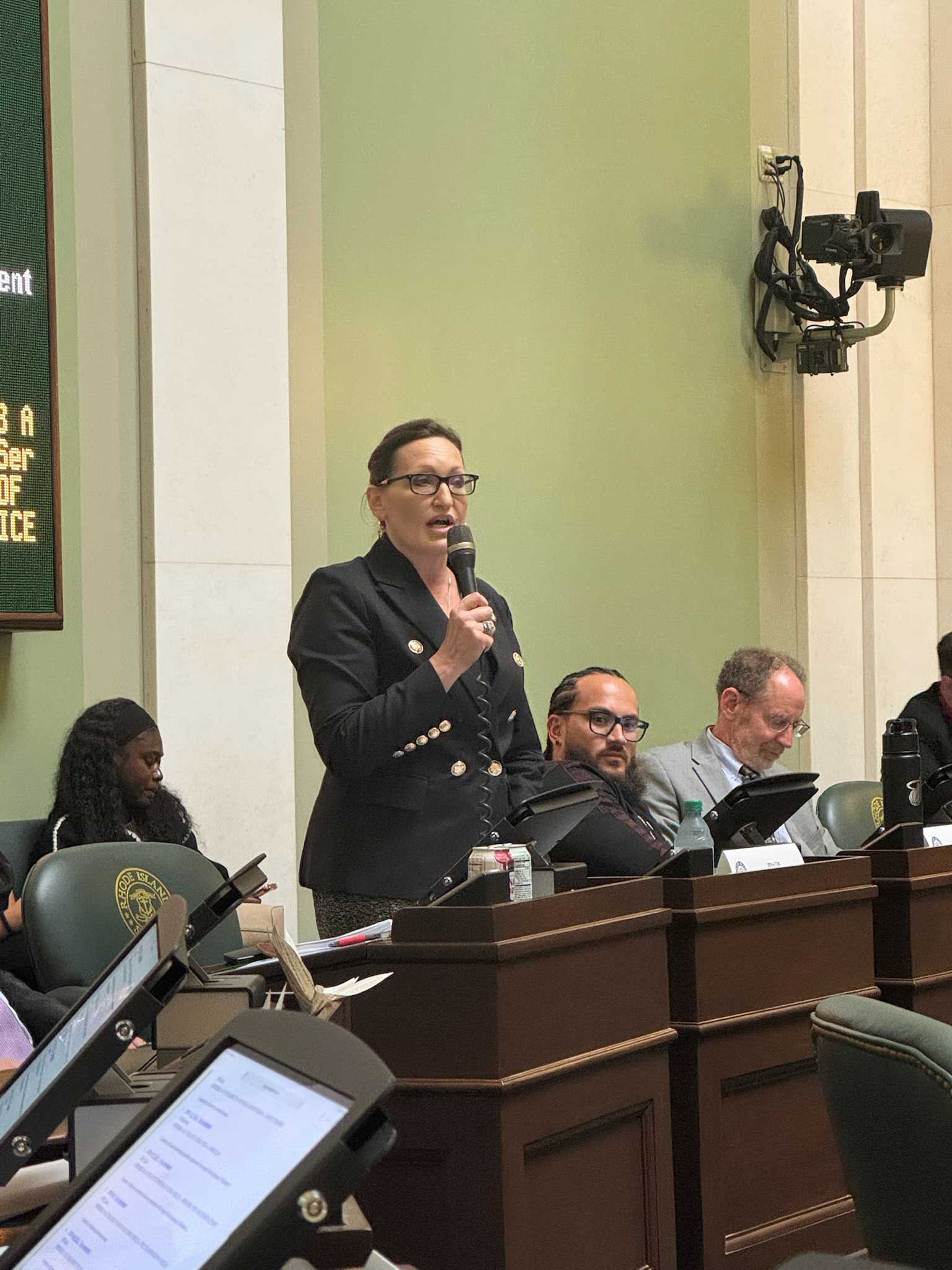
When Urso joined the Rhode Island Senate in early 2025, she arrived armed with research and a determination to create cultural change through policy. She introduced Senate Bill 0361 in March, adding menopause and menopause-related conditions to the state's Fair Employment Practices Act — the same law that already protected pregnant workers and nursing mothers.
Standing before the Senate Committee on Labor that spring, Urso knew she was breaking new ground. She'd asked a long-term senator whether menopause had ever been discussed in the chamber. The answer: never.
"I had asked for about 10 minutes to introduce this bill, when normally you go and it's perfunctory, a basic two-minute introduction," Urso explained. She'd rehearsed extensively, knowing she'd be talking to roughly 10 men about a topic they'd likely never discussed in their lives.
Then she walked into the committee room and discovered they were hearing other bills related to labor unions that day. There were about 40 men in attendance.
"I just walked in and smiled. I said, 'Well, you guys are going to learn about menopause today,'" she recalled.
The reception surprised her. After her presentation, several men followed her into the hall to thank her. They had no idea what their wives or coworkers had been going through. "I just had really impressed upon me that if we take time to explain this to the men in our lives, they'll get it and they'll want to support us," Urso said.
Urso was persuasive. On June 24, 2025, Gov. Dan McKee signed the bill into law, making Rhode Island the first state to explicitly mandate workplace accommodations for menopause.
Rhode Island's law has ignited a national conversation. Forbes declared that Rhode Island's law "allows us a glimpse into what the future of work could look like." Eight states now have menopause workplace bills introduced or pending, including New York, New Jersey, Delaware, and Michigan. California Gov. Gavin Newsom has said he plans to include menopause support in the state's 2026-27 budget. And in November, Philadelphia became one of the first cities to pass workplace protections for menopause, effective in 2027.
Urso finds herself fielding calls from legislators nationwide and speaking at conferences and panels. But she hasn't moved on to other issues. She's working with Rhode Island's Department of Labor and Training to develop resources for employers, including fact sheets, links to training, and implementation guidance. She plans to connect with chambers of commerce and industry associations to ensure businesses have the support they need.
"I didn't want to just pass a law and then say, ‘Good luck, everyone,’" she said. "I want to make sure those resources are available."
Urso's pitch to employers isn't about empathy alone; it's about economics. Rhode Island faces severe workforce shortages, and recruiting is harder than ever.
"If we can keep women in the workplace for five more years, it will benefit them, it'll benefit their retirement, it'll benefit the workplace because they don't have to go out and find replacement workers," Urso said. "And I really believe it's a small amount of accommodation. It's not a big lift for the employers."
Those accommodations — remote work options, flexible start times, temperature adjustments, breaks for medical appointments — mirror what's already provided for pregnancy and other medical conditions. The goal is simple: Keep experienced women at work so they can reach their highest level of achievement and best prepare for retirement.
The alternative carries steep costs; women who leave the workforce in their 50s face financial precarity. Social Security payments alone often won't cover rent in Rhode Island's expensive housing market, potentially pushing women toward public assistance or subsidized housing.
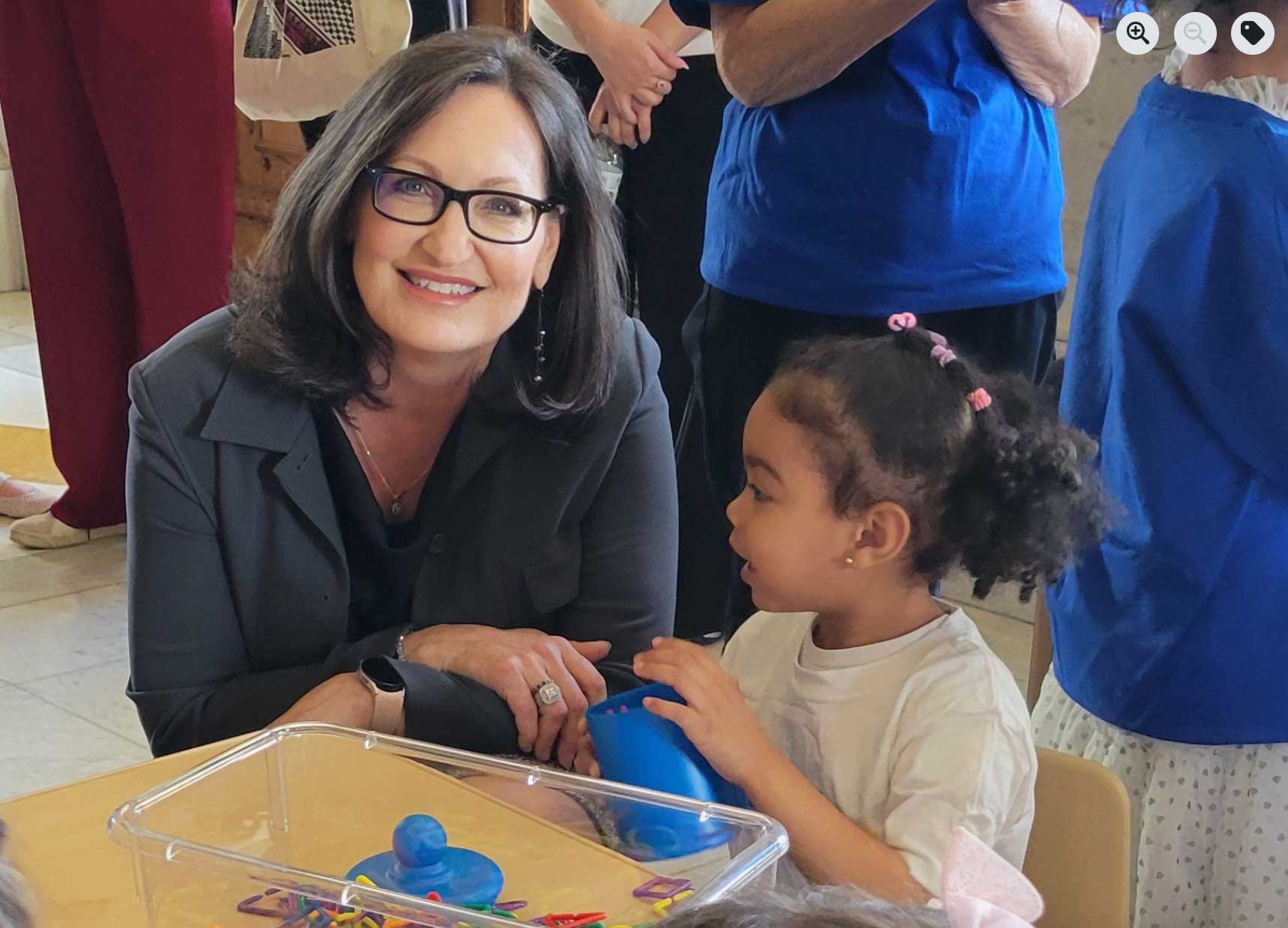
Urso is candid about her motivation. "This isn't for me. I'm already past it," she said. "But I'm really just doing it to try to change the future for women."
That future means normalizing conversations about menopause, ensuring the next generation won't face workplace discrimination, and making sure men are more exposed to the topic through media and open dialogue. It means women won't have to whisper about what's happening to their bodies or feel less-than for experiencing a natural transition.
Looking back on her own near-departure from the workforce, Urso recognizes how precarious that moment was. Had she succeeded in quitting, she would have faced an uphill battle finding work as an older adult once the fog cleared. "Oh, my God, what did I do? Why did I do that?" she imagines she would have thought.
Instead, she channeled that experience into legislation that's reshaping workplace policy across America — one awkward but necessary conversation at a time.
Sign up for our newsletter to keep updated on HAA’s latest initiatives, insights and recommendations, and be first to receive new resources and event invitations.
Sign up


.svg)


